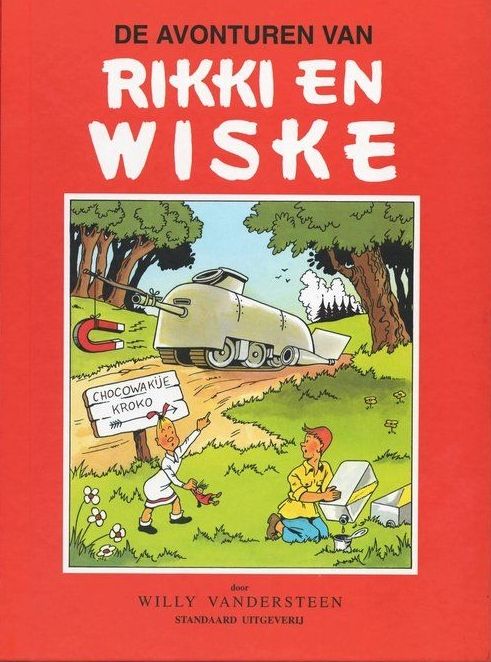
Details
- Writer/Artist: Willy Vandersteen
- Publisher: Standaard Uitgeverij
- Issue No.: 0
- Year of publication: 1945
- Genre: Adventure, comedy, satire
- English title: Rikki and Wiske in Chocovakia
Premise
Rikki wins a boxing match, and consequently becomes part of a wide plot involving an eastern country and a stolen tank-project that he, his little sister Wiske and their Aunt Sidonia are going to try and steal back.
So, I’ve been reading Suske en Wiske (Spike and Suzy/Bob et Bobette) for a number of years and thought now was the time to read them in chronological order (that is, the release order). But first a little backstory!
Background
The story was first serialised in the Belgian Flemish newspaper De nieuwe Standaard which started on March 30 of 1945, just as WWII was ending in Europe. Because of the paper shortages and the chaotic post-war climate, the original comics were published in black and white. Rikki and Wiske featured the introduction to Wiske, Aunt Sidonia and the doll Schanulleke and the sole appearance of Wiske’s older brother, Rikki. The country they are traveling to, chocoslovakia, is based on Czechoslovakia, but actually it resembles a lot more the USSR of that time and that of Nazi Germany. This I base on the fact that they use Russian-like suffix like -owitz, and that there is an occupation called Gestaco – a clear pun on the word Gestapo. So concluding, it is clear that this comic is a satirical take on the geopolitical climate of the 1940s.
Narrative
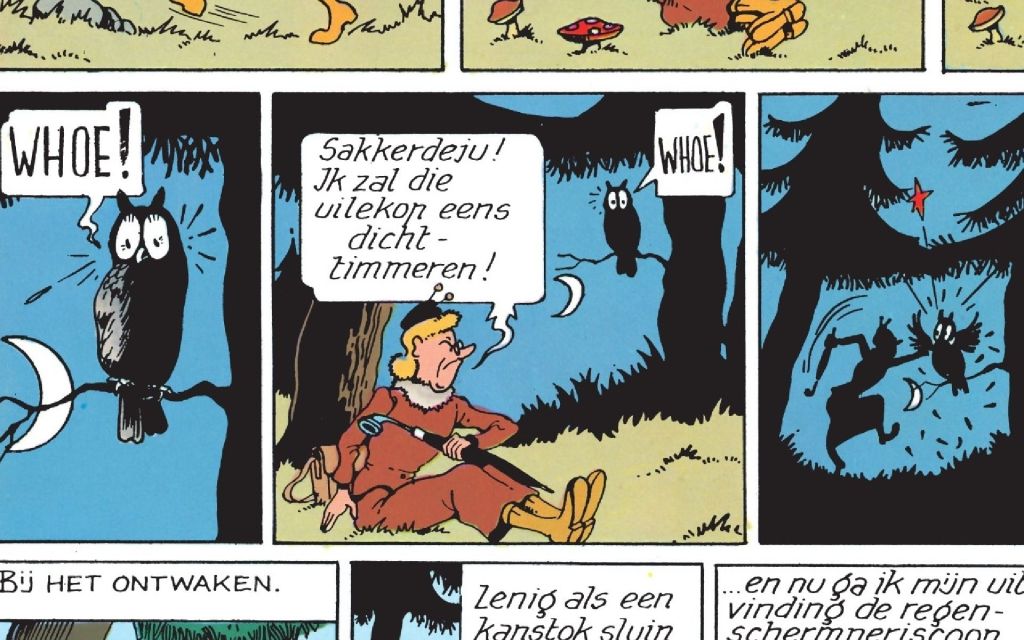
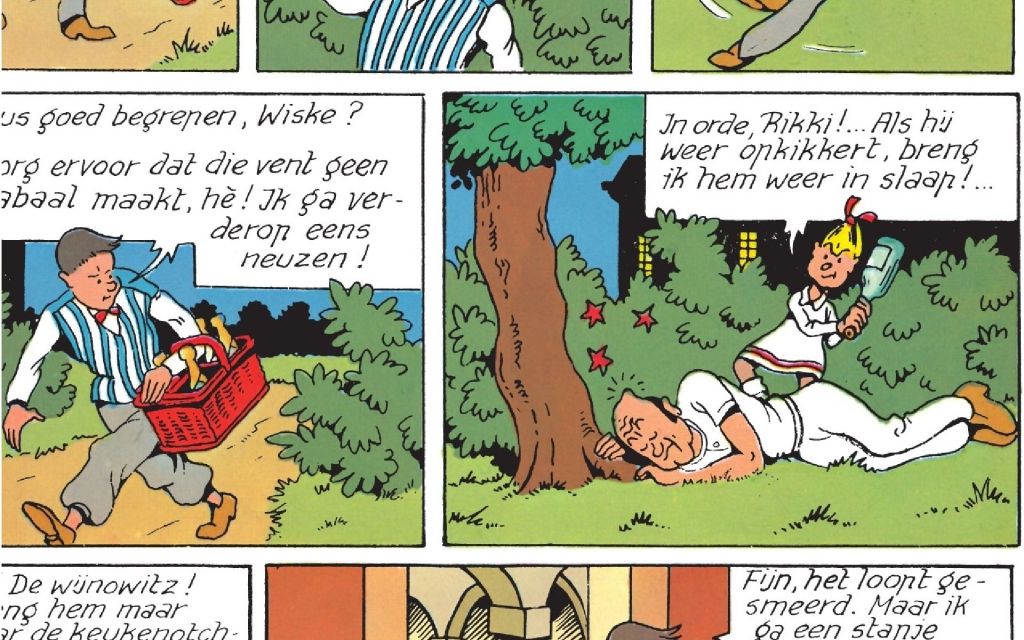
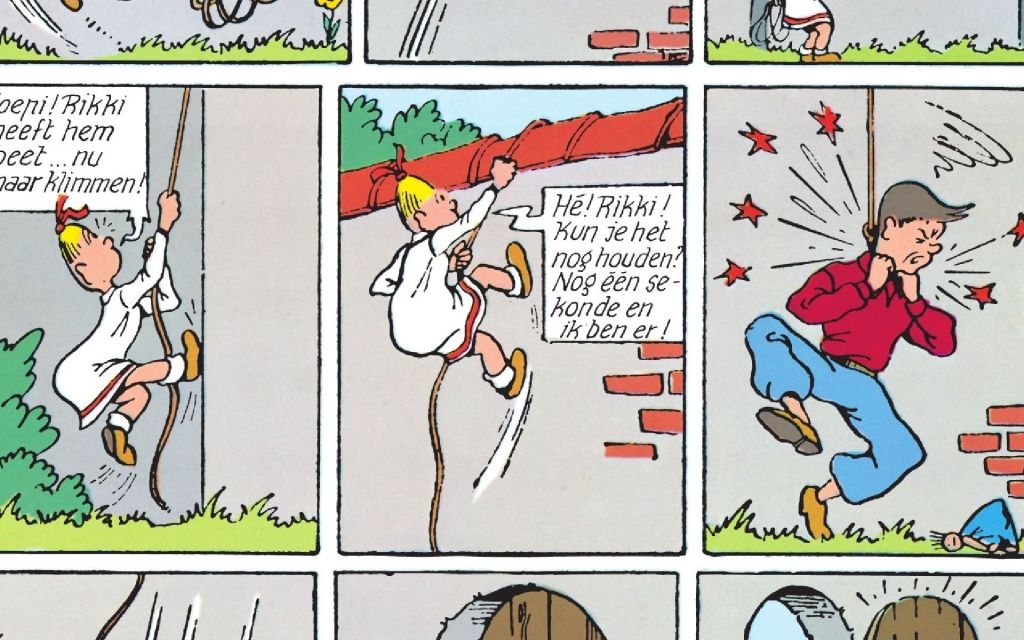
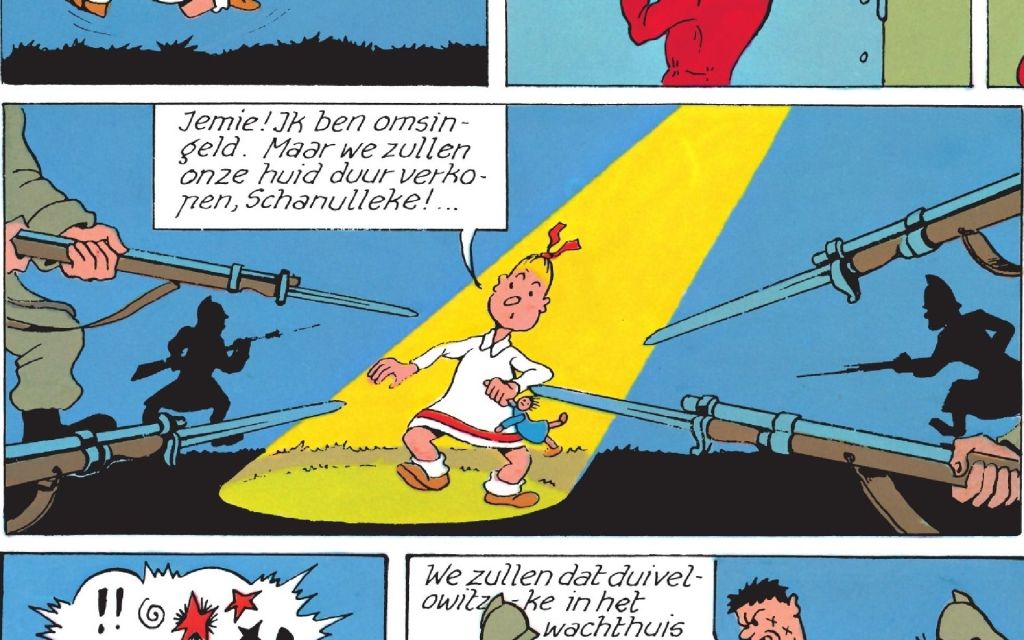
Willy Vandersteen is clearly looking for his unique style here. He got some things right, but goes too far in a few places, like the humor is very dark and sometimes the action is a bit cruel, like shown in these three pictures:
Rikki is the elephant in the room here, since he only appeared in one issue and is then never heard from again. He got a bit of personality and is protective over his little sister, Wiske. He is a great boxer as shown in the issue.
Wiske on the other hand is a bit sassy and know-it-all, but much younger portrayed here than in coming issues (the most redrawn issues I mean by that). She also usually is the damsel in distress.
Aunt (Tante) Sidonia in a unique figure in this issue. She actually gets, I believe, the most action, namely undercover action, which is very different from the current day Sidonie.
There is a professor in this one who resembled Professor Barabas quite a bit, although it of course isn’t him. He is the typical ‘can create a intricate formula, but can’t tie his shoes-type’.
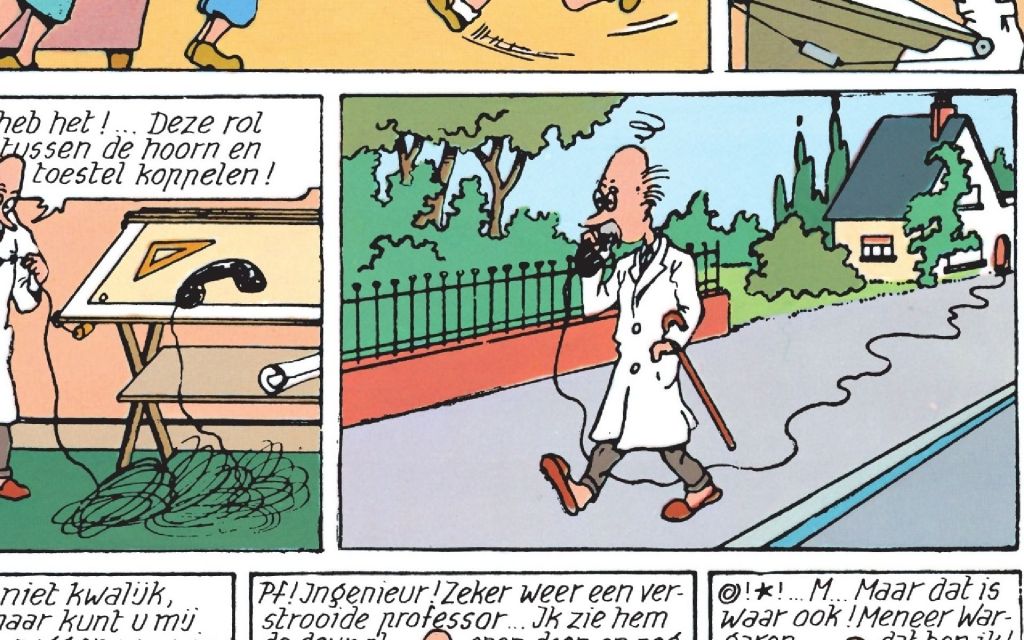
The villains are so-so. They’re pretty bland and at the end I couldn’t name who was who and what their occupation was to begin with.
The art
You can see Vandersteen’s early “Brabant” style here – rougher and more energetic than the polished “Ligne Claire” (Clear Line) style he would later adopt under the influence of Hergé (the creator of Tintin).
What is the “Brabant” style you ask? Well, for example character expressions were exaggerated and almost caricatured, reflecting the influence of American newspaper strips like Popeye.
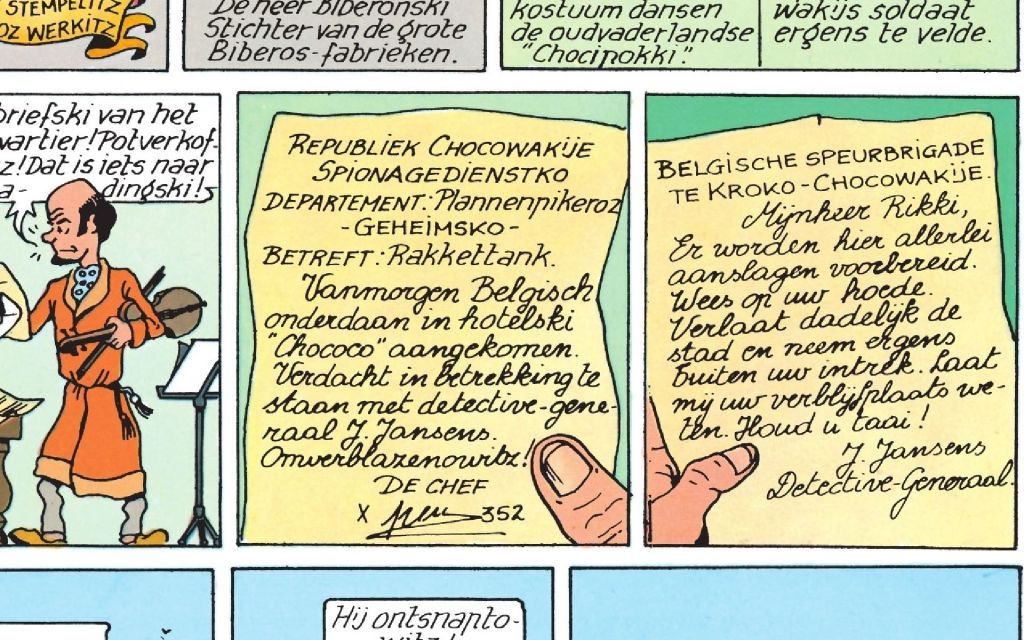
Lastly, I found this particular thing above well done. You first see the villain reading a letter, while in the next panel you see a different letter read by Rikki himself.
Final verdict
Rikki en Wiske in Chocowakije is actually a mediocre comic. It’s not spectacular, it’s not bad, it’s just there. The fact that this sets up Suske en Wiske (Spike and Suzy) means that its legacy depends on this one, and for that I have to give it credit. Therefore I give it 2.5/5 stars ⭐️.
How would you rate it? Please, let me know below:


Thanks for reading and see you in the next review!
Yours,
Rain
 TAZÍ
TAZÍ 
Leave a comment